Skip to Content





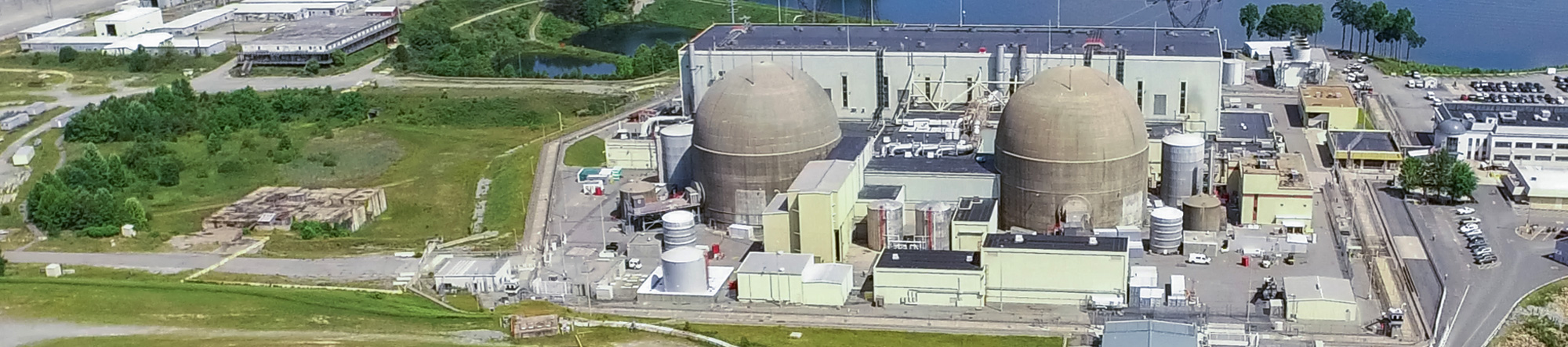
North Anna Power Station (North Anna) is at Lake Anna in Louisa County, Virginia. It is an important power station for the state. The station makes about 15% of Virginia’s power and more than 43% of its clean, carbon free energy. North Anna provides safe, reliable, affordable, and clean energy for up to 475,000 homes.

Lake Anna Reservoir (Lake Anna) and the Waste Heat Treatment Facility (WHTF) are important to providing safe, reliable, affordable, and clean energy to people in Virginia. They also give people a place to enjoy boating, fishing, and other outdoor activities.
Together, Lake Anna and the WHTF make up one of the largest inland freshwater lakes in Virginia. The lake covers about 13,000 acres. It is about 17.5 miles long and 1.5 miles wide, with nearly 200 miles of shoreline. Lake Anna is one of the most popular recreational lakes in the state. Lake Anna is often called the “public” side, while the WHTF is known as the “private” side.
The North Anna Power Station takes water from Lake Anna and releases it into the WHTF after it is used to cool the station. This water never touches the nuclear fuel. When the station is running at full power, about 2 million gallons of water move through it every minute. Because of this, the water level in Lake Anna naturally rises and falls around 250 feet above mean sea level. Normal water levels are usually between 249 and 251 feet above mean sea level. Water levels in the WHTF are usually about 8 inches lower during refueling outages and in winter, when circulating water pumps may be slowed or turned off.
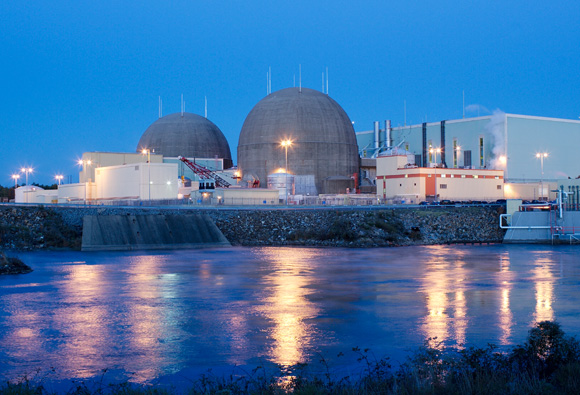
Lake Anna and the WHTF were created in the 1960s and 1970s by Dominion Energy. At that time, the company was called Virginia Electric and Power Company (VEPCo). The lake was built to help cool the North Anna Power Station.
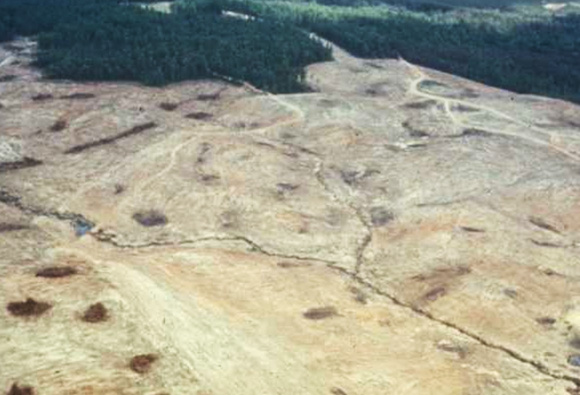
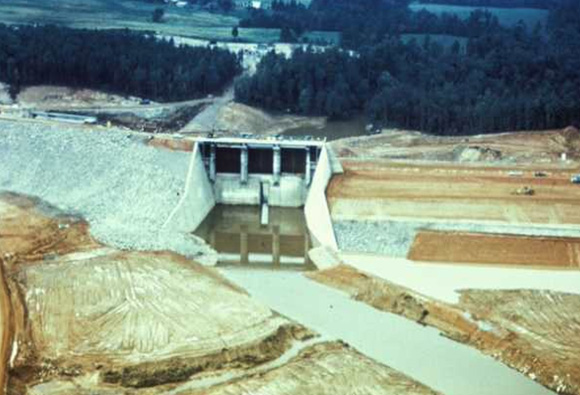
In 1968, the company bought about 18,000 acres of land. Workers cleared the land to create Lake Anna, which covers about 9,600 acres, and the 3,400 acre WHTF. The lake was formed by building a dam on the North Anna River.
The dam gates were closed in January 1972. The lake was expected to fill slowly over three years using rainwater. However, on June 21 and 22, 1972, heavy rains from Hurricane Agnes filled the lake almost overnight. By December 1972, the water level reached its full height of 250 feet above mean sea level.
The main purpose of Lake Anna and the WHTF is to support operations at North Anna. Dominion Energy works to protect the power station, its employees, the environment, and the public.
Property owners who want to build structures or make changes along the shoreline must follow Dominion Energy’s guidelines. They must also apply for approval before starting any work. The Construction and Use Agreement helps explain what types of activities are allowed for property owners next to Dominion Energy’s shoreline around Lake Anna and the WHTF.
Dominion Energy also uses a Management Plan to guide how the WHTF is managed.
In both Lake Anna and the WHTF, aquatic plants play an important role. These plants help reduce harmful algae, protect shorelines from erosion, and keep the lake bottom stable. They also create homes for fish, improve muddy areas, and help clean the water by removing extra nutrients and waste. To protect native plants and limit the spread of invasive species, Dominion Energy follows a Vegetation Control Policy.
To improve boating safety, Virginia and other states use a standard system of water markers. On Lake Anna, boaters can request navigation or regulatory markers by applying to the Virginia Department of Wildlife Resources (DWR) through the local counties of Louisa, Orange, or Spotsylvania. For the WHTF, anyone who wants to request markers should review Dominion Energy’s WHTF Buoy Guidelines and Hazard Buoy Application Process.
| Date | Temperature (deg. F) | Lake Level (ft.) |
|---|---|---|
| 10/11/2026 | 72 | 247.9 |
By design, the temperature of the discharge water is typically 14 degrees warmer than the intake water (displayed above). Intake temperatures can fluctuate with seasons or weather conditions. The data below is posted daily, M-F, as a public service.
| Date | Time | Discharge Temp. (°F) |
|---|---|---|
| 4/29/2026 | 6:30 a.m. | 84.3° |
| 4/28/2026 | 6:50 a.m. | 83.9° |
| 4/27/2026 | 7:40 a.m. | 84.1° |
As the discharge water flows into the WHTF, it gradually cools and is eventually returned to the main lake. The period of primary recreational use in the WHTF (May 1 – October 31) is typically the period with the highest water temperatures. Individuals choosing to use the lagoons for recreational purposes should consider these temperatures in relation to health risk information contained on the Virginia Department of Health's website.
Dominion Energy has been actively evaluating the potential deployment of Small Modular Reactors (SMRs) since 2020 and anticipates its first SMR could be operational by the early-to-mid 2030s.
Though a commitment to construction has not been made, Dominion Energy is currently in the development phase for one or more SMRs co-located with North Anna Power Station on its existing North Anna Energy Center property.
SMRs are a smaller typer of nuclear reactor. The biggest difference between SMRs and existing commercial nuclear reactors, such as North Anna, is their size. For example, the two reactors at North Anna each generate about 950 megawatts (MW) of electricity and most SMRs are designed to generate about 300 MW of electricity. Because they are smaller, SMRs have the potential to be able to fit in places where larger nuclear power stations may not be a good option.
SMRs use a simpler, more compact design. Many components are factory-built and then transported to the site for assembly. This can help speed up construction, reduce in-field challenges, and possibly reduce project cost.
Like the units at North Anna, SMRs use nuclear fission. Nuclear fission is the controlled process of splitting uranium atoms to create heat and generate electricity. This technology has been used safely to produce reliable and clean electricity since the 1950s and is used around the world today.